You are driving down a quiet road at night. The headlights are on, the radio is playing softly, then you notice something strange. Your dashboard lights start to flicker. It may feel minor at first, yet that small flicker can signal a problem that deserves attention.
Night driving places extra demand on your car’s electrical system, so this issue shows up more often after dark. Knowing why it happens can help you avoid sudden breakdowns and costly repairs.
This guide explains the most common reasons dashboard lights flicker while driving at night, what signs to watch for, and what steps you can take to fix the problem.
Why Flickering Happens More at Night
At night, your car uses more electrical power. Headlights, interior lights, dashboard lights, and often the air conditioner or heater are all running together. This creates a heavier load on the charging system. If any part of that system is weak, the lights may dim or flicker as power shifts back and forth.
During the day, the same issue may stay hidden because fewer electrical parts are active.
Common Causes of Dashboard Light Flickering
Weak or Failing Battery
A car battery does more than start the engine. It helps smooth out voltage changes while driving. When the battery is old or worn, it cannot hold a steady charge.
Signs of a weak battery include:
- Slow engine cranking
- Lights dimming at idle
- Flickering when using turn signals or brakes
Most car batteries last three to five years. If yours is near that range, it may be time for a test or replacement.
Alternator Problems
The alternator keeps the battery charged while the engine runs. It also supplies power to all electrical systems. If the alternator struggles, voltage can rise and fall, causing dashboard lights to flicker.
Common alternator warning signs:
- Battery warning light on the dash
- Headlights that brighten and dim
- Burning smell near the engine
- Strange noises like whining
At night, alternator issues become more obvious due to the added load from headlights.
Loose or Corroded Battery Connections
Even a healthy battery cannot work properly if the connections are poor. Loose terminals or corrosion can interrupt the flow of power. When the car hits bumps or the engine vibrates, the connection may briefly break, leading to flickering lights.
Check for:
- White or green powder on battery terminals
- Cables that move by hand
- Frayed or cracked wires
Cleaning and tightening the connections often solves the issue quickly.
Worn Ground Wires
Your car’s electrical system relies on ground wires to complete circuits. A damaged or loose ground wire can cause unstable voltage. This often leads to flickering lights, radio noise, or random warning lights.
Ground wire problems can be tricky to find since they may be hidden under the hood or behind panels.
Faulty Voltage Regulator
The voltage regulator controls how much power the alternator sends to the battery and electrical system. When it fails, voltage may spike or drop without warning.
Symptoms may include:
- Lights that pulse brighter and dimmer
- Dashboard lights flickering at steady speeds
- Electronics acting erratic
In many cars, the voltage regulator is built into the alternator, so repair may involve replacing the full unit.
Headlight or Dimmer Switch Issues
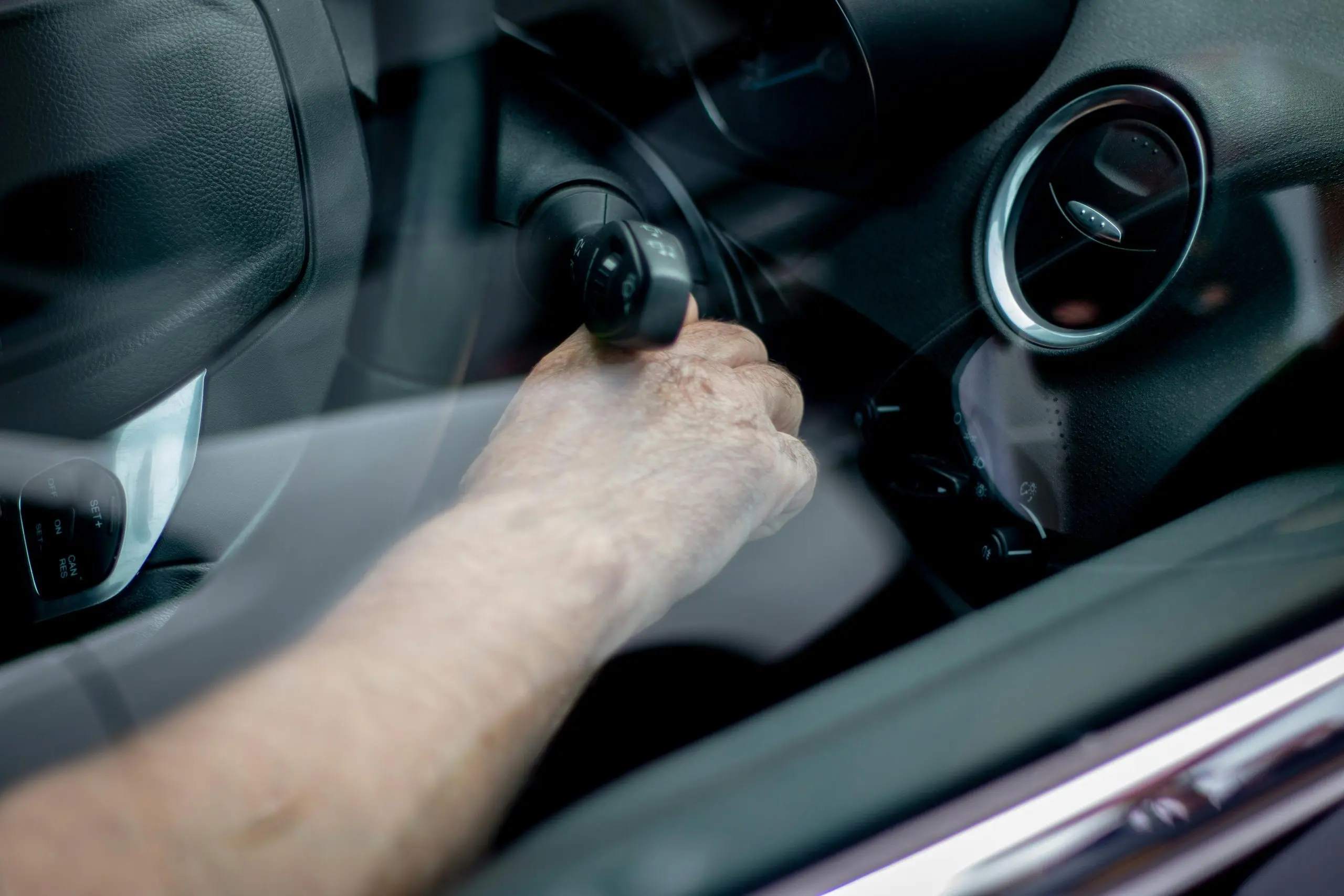
Sometimes the problem is not the charging system at all. A worn headlight switch or dimmer control can cause dashboard lights to flicker when driving at night.
Signs include:
- Flickering only when headlights are on
- Lights reacting when you adjust the dimmer
- Interior lights changing brightness randomly
This issue is more common in older vehicles.
Blown or Loose Fuses
Fuses protect electrical circuits from damage. A loose fuse or one near failure can interrupt power. This may cause flickering lights or brief losses of dashboard illumination.
Inspect the fuse box for:
- Burned fuse marks
- Fuses that feel loose
- Melted plastic around fuse slots
Replacing a bad fuse is low-cost and simple.
Why You Should Not Ignore Flickering Dashboard Lights
Flickering lights are not just a cosmetic issue. They often point to deeper electrical trouble. Ignoring them can lead to:
- Sudden battery drain
- Engine stalling
- Loss of headlights at night
- Damage to sensitive electronics
Electrical problems tend to grow worse over time, not better.
How to Diagnose the Problem
Step 1: Watch When It Happens
Note if the flicker appears:
- Only at idle
- During acceleration
- When using turn signals or brakes
- Only at night
This pattern helps narrow down the cause.
Step 2: Check the Battery
Look for corrosion and loose terminals. If the battery is old, have it tested at an auto parts store.
Step 3: Listen and Smell
Unusual noises or burning smells near the engine can point to alternator trouble.
Step 4: Test Charging Voltage
A mechanic can check voltage output with a simple test. Low or unstable voltage confirms charging system issues.
Can You Keep Driving?
Short trips may be possible if flickering is mild. Long night drives are risky. If the alternator or battery fails completely, the car can shut down without warning.
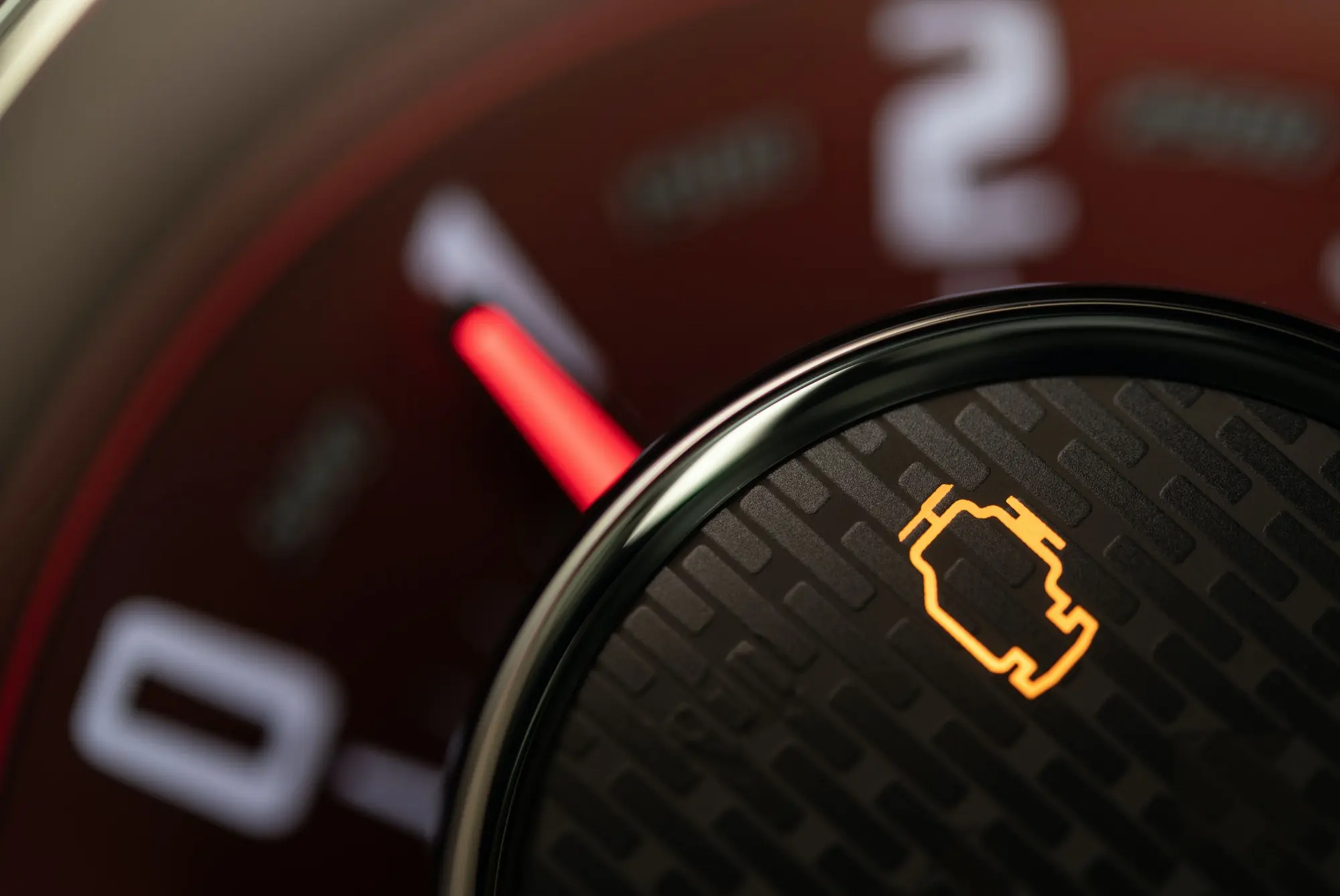
If lights flicker strongly or warning lights appear, driving should be limited until repairs are made.
How to Fix Flickering Dashboard Lights
The fix depends on the cause:
- Replace an old battery
- Clean and tighten battery terminals
- Repair or replace the alternator
- Fix damaged ground wires
- Replace faulty switches or fuses
Many of these repairs are affordable when handled early.
Preventing Dashboard Light Flickering
Regular maintenance helps prevent electrical issues:
- Test the battery once a year
- Keep terminals clean
- Replace worn belts that drive the alternator
- Address warning lights quickly
- Avoid adding too many aftermarket electronics
A strong charging system keeps your car safe and reliable at night.
Final Thoughts
Dashboard lights flickering while driving at night is your car’s way of asking for attention. The cause often comes down to battery health, alternator performance, or loose connections. Spotting the signs early saves money and prevents stressful roadside problems.
If the flicker continues, a quick inspection by a professional can restore steady lighting and peace of mind for every night drive.